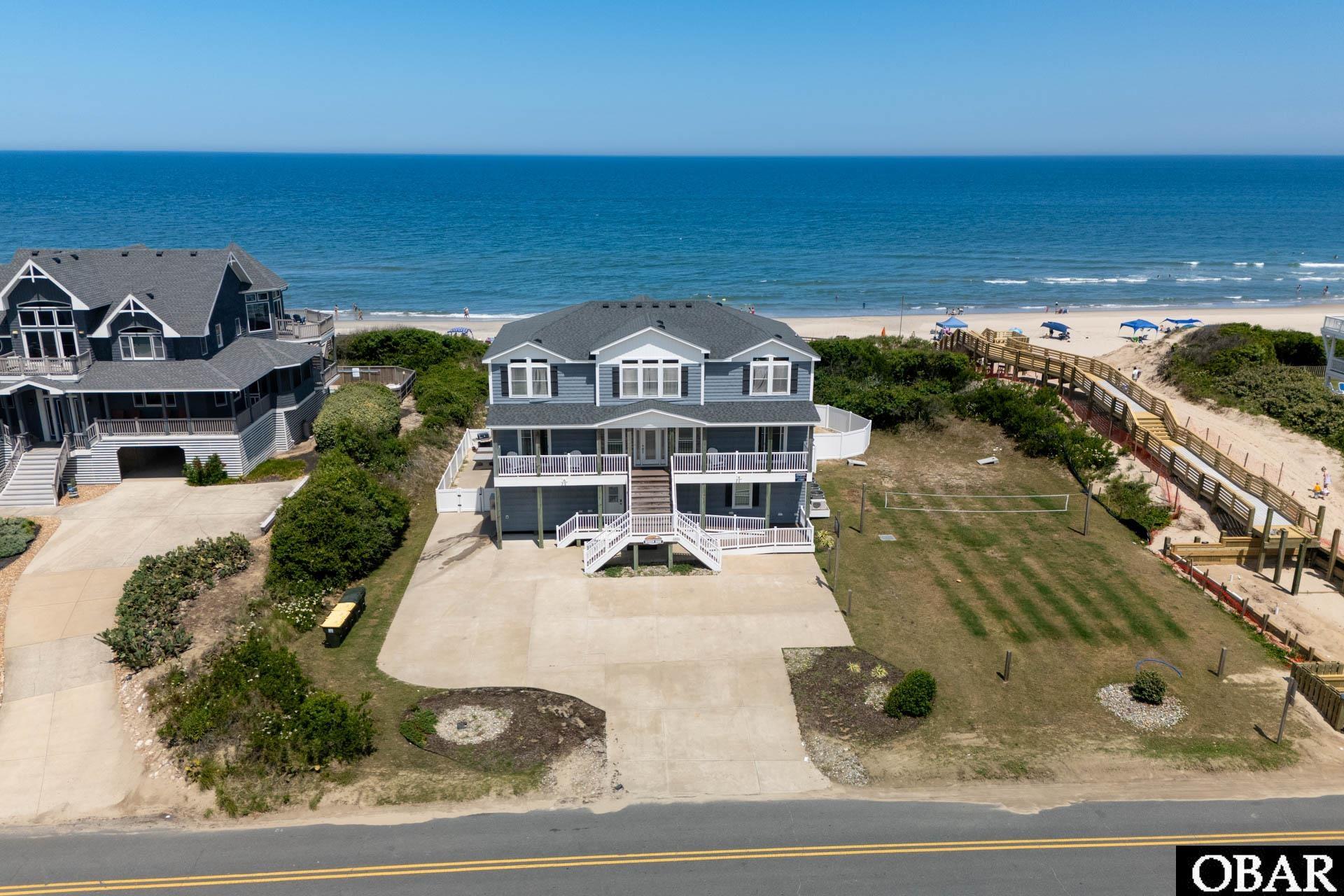
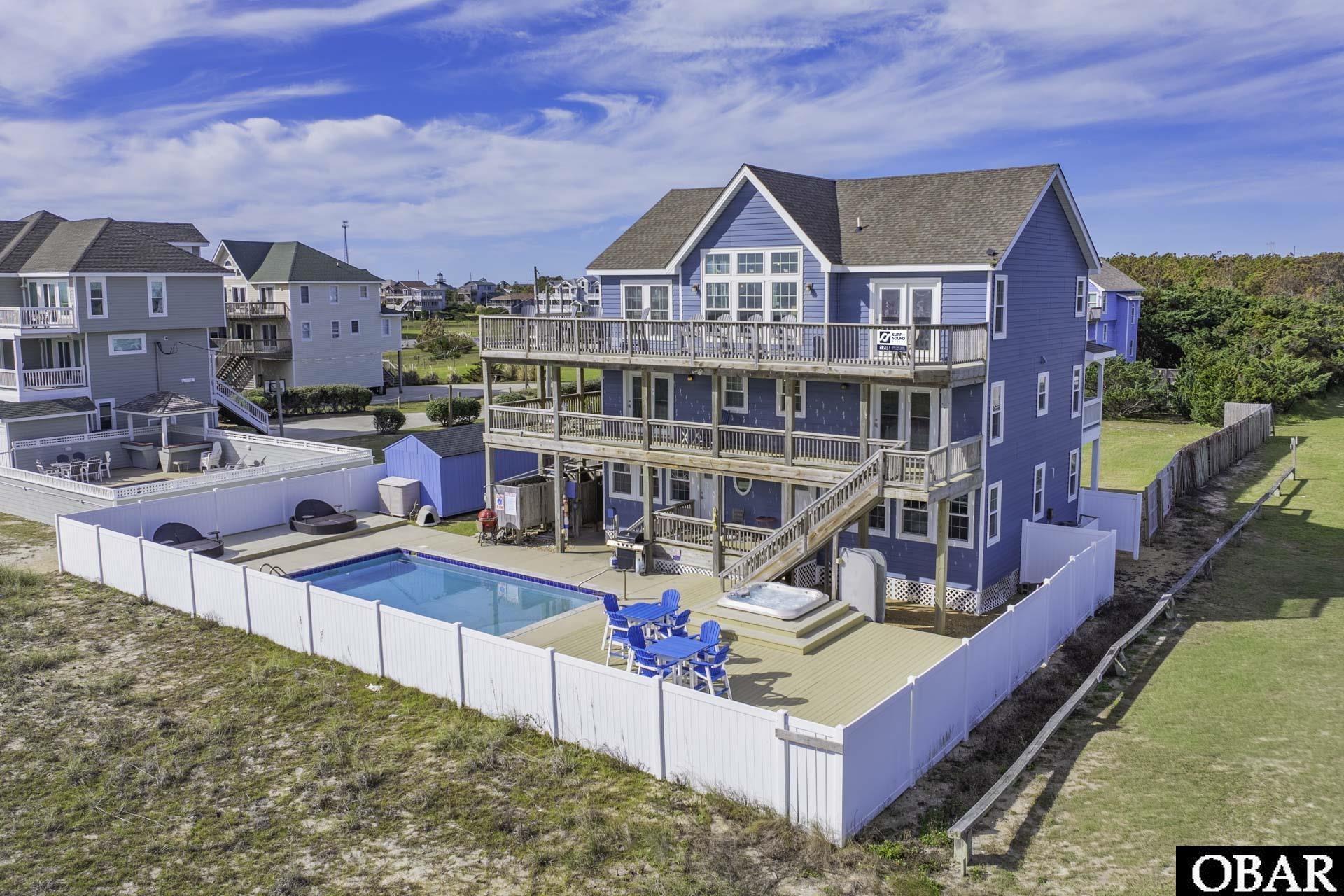
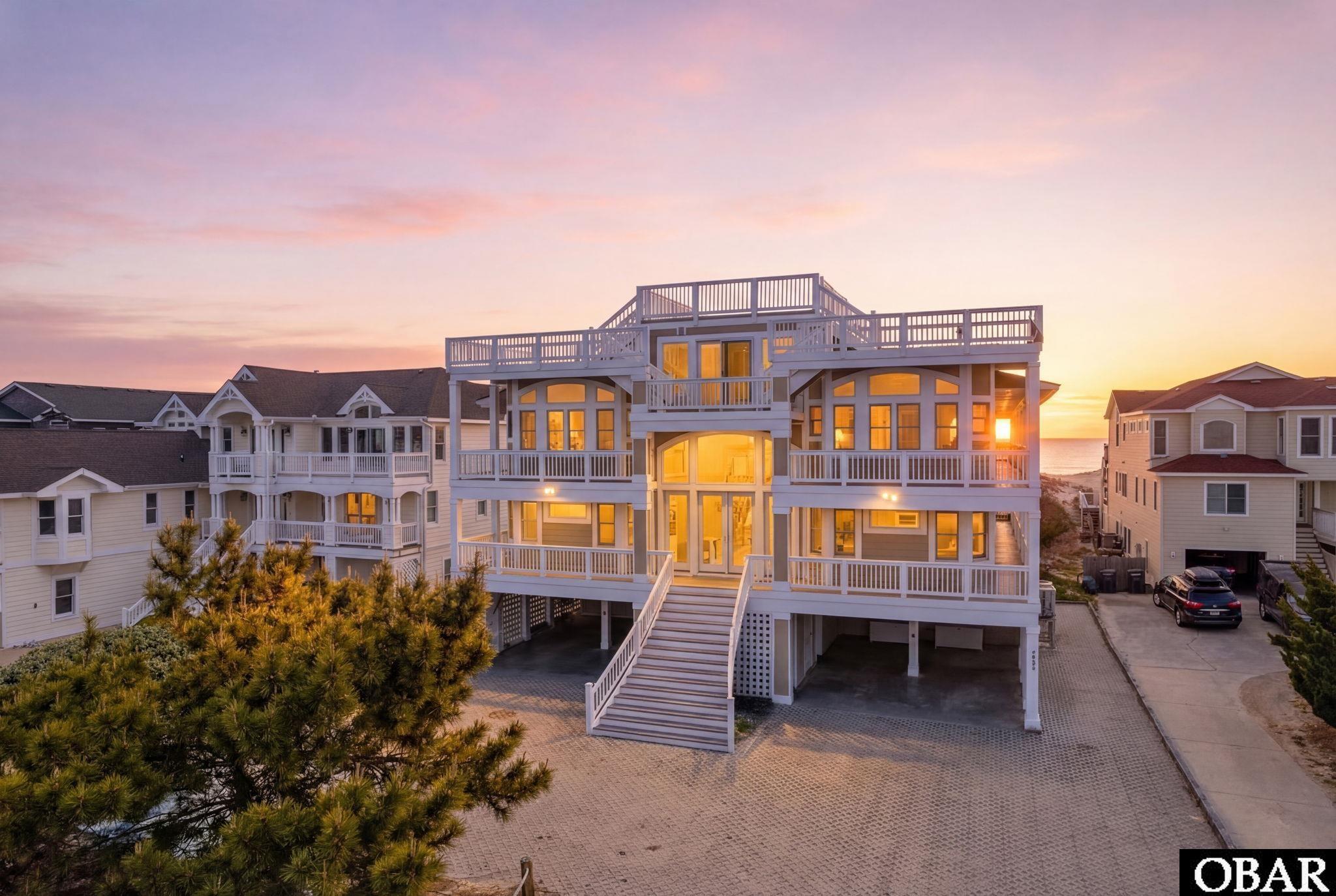
The Myth of Private Oceanfront Beaches on the OBX
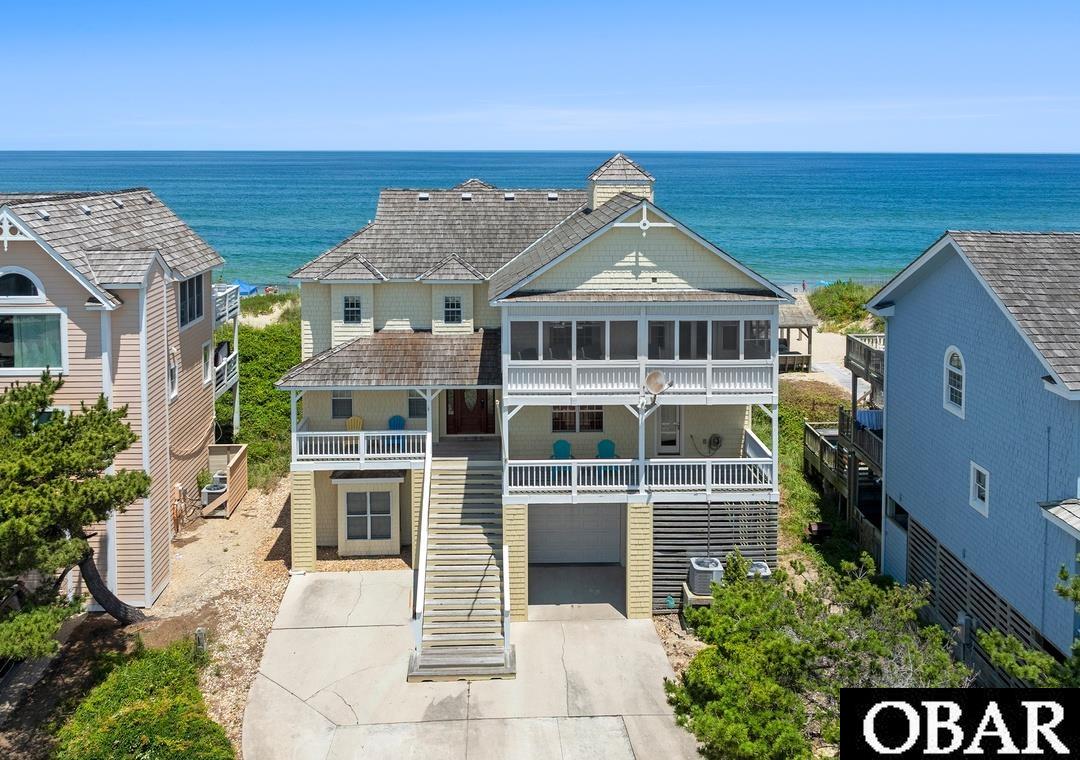
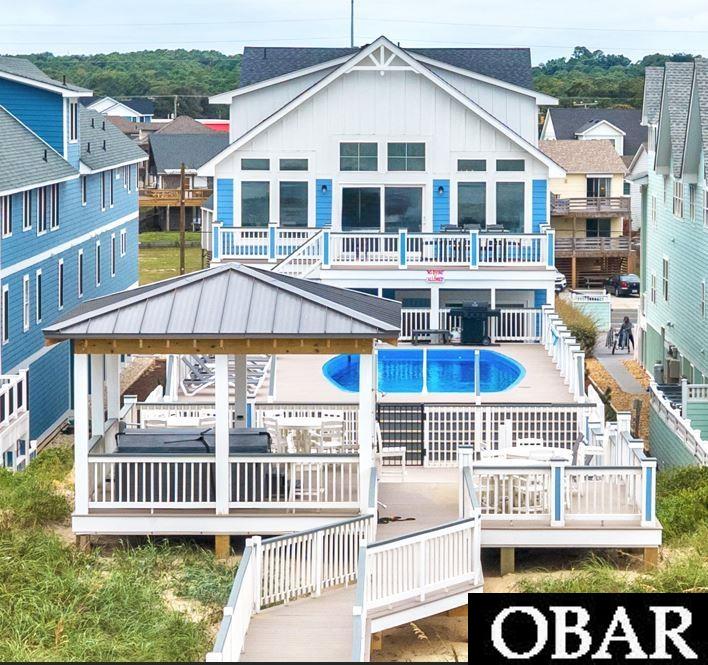
Many investors ask if they can own a "private beach" in North Carolina. While you can own an exclusive gated home, the Atlantic shoreline itself belongs to the people.
North Carolina Beach Ownership: The Public Trust
Unlike some states where property lines extend to the water's edge, North Carolina law protects the beach as a public trust. Ownership is divided by a specific horizontal line:
- The Wet Sand (Public): From the ocean up to the Mean High Water Mark (usually the debris line or the damp sand near the base of the dune), the land is owned by the State of North Carolina.
- The Dry Sand (Private): The land above the Mean High Water Mark up into the dunes is owned by the individual property owner.
Gated Communities vs. Public Access
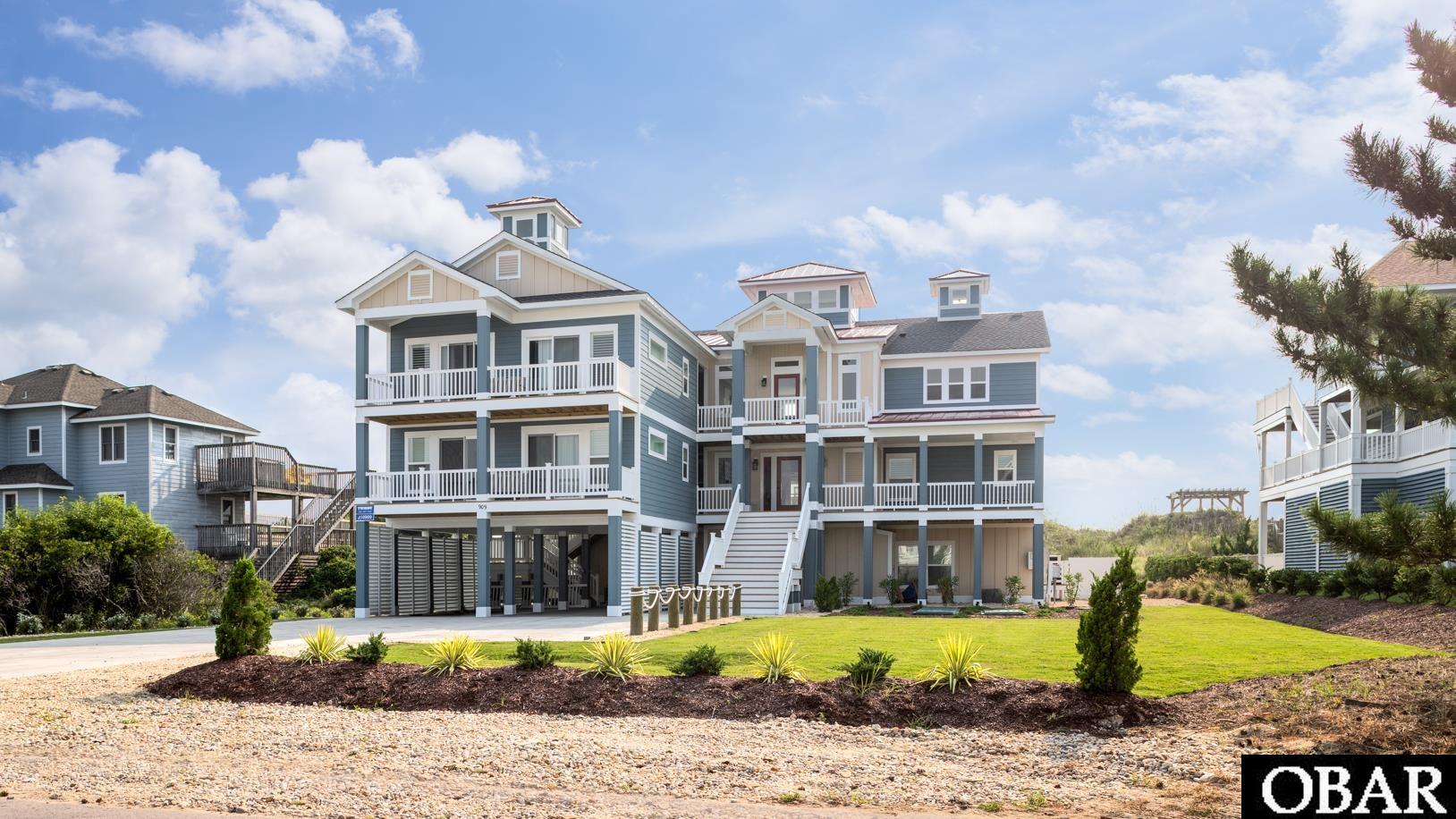
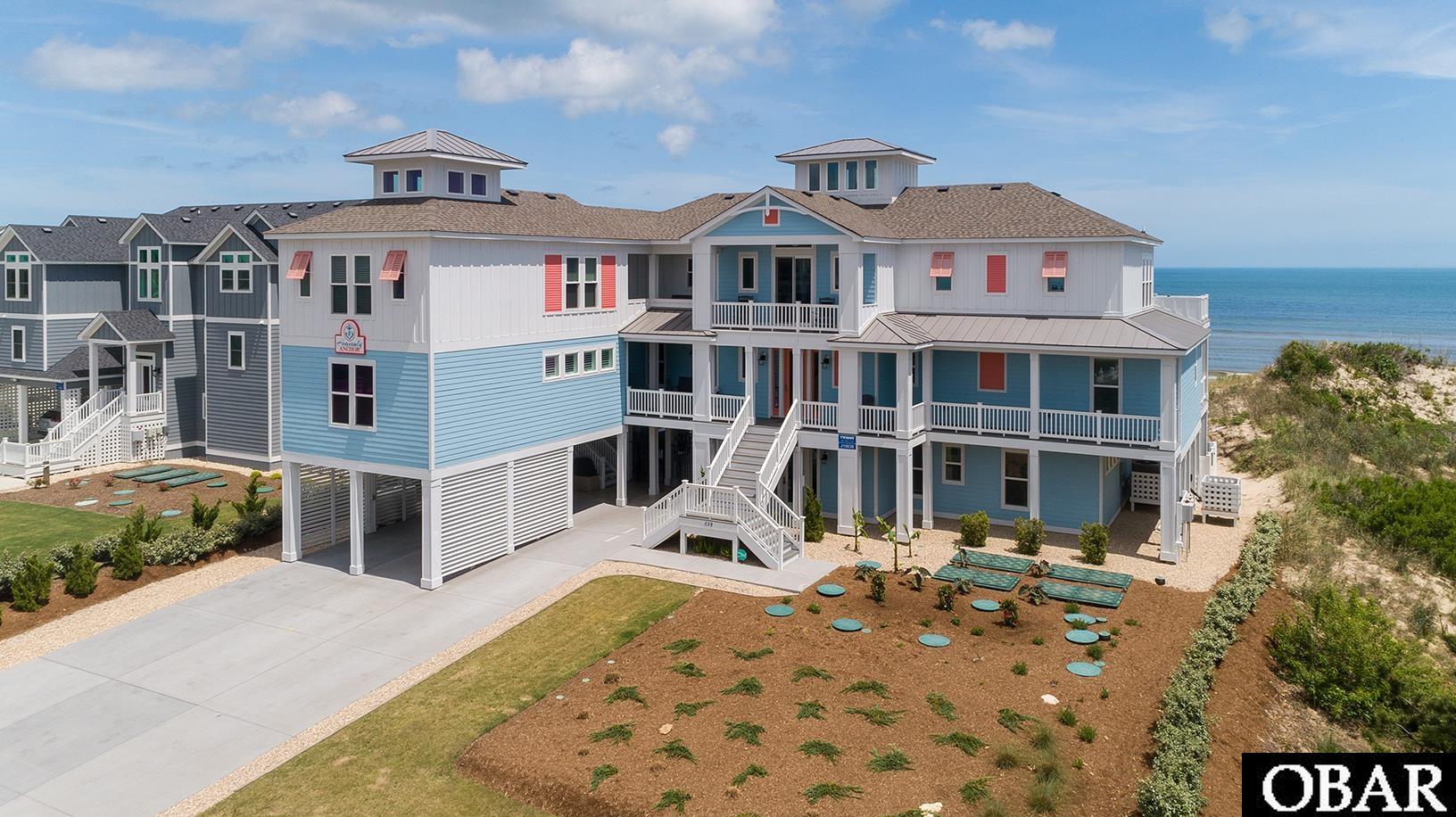
We have exclusive gated oceanfront neighborhoods on the Outer Banks that restrict public parking and beach ramps. While this limits access for the general public, it does not make the beach exclusive.
The Reality: A neighbor from a non-gated subdivision can legally walk along the shoreline through a gated community's beach area and continue on. There are no private fences extending into the surf.
The "Virginia to South Carolina" Rule
Theoretically, a person can walk from the Virginia border to South Carolina along the North Carolina coast without ever crossing a private fence. While you would need to swim across several inlets, the path remains public.
The One Exception: In the 4WD area of North Corolla, a sturdy fence runs from the dunes into the ocean. This isn't for privacy; it is a vital barrier designed to keep the Corolla Wild Horses from wandering south into the developed towns where they could be harmed by traffic.